We occasionally share updates when important information changes or new long-form guides are published. Just practical updates related to long-term living in Surat Thani and Southern Thailand.
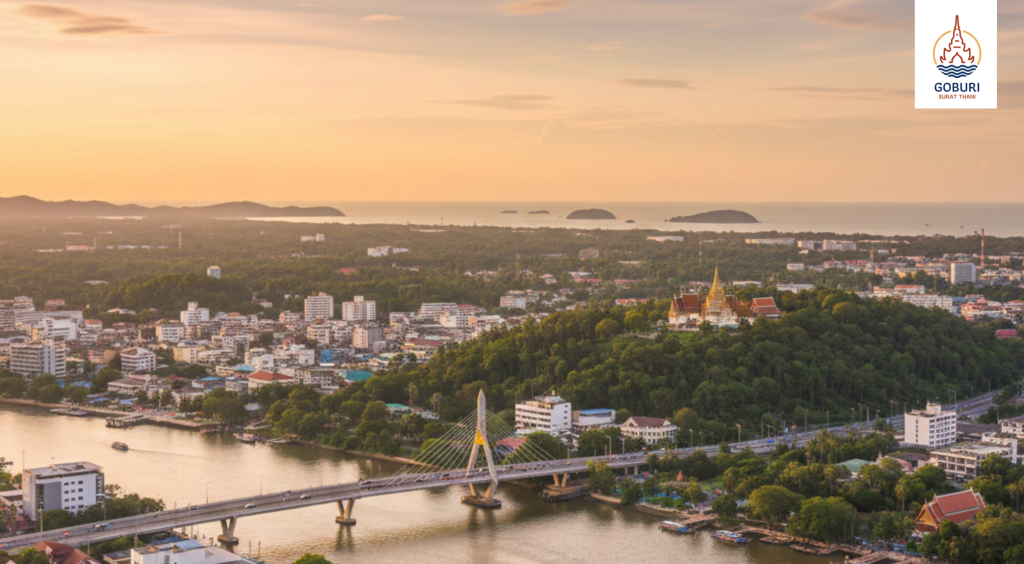
Living in Surat Thani provides a very different experience compared to larger Thai cities such as Bangkok or Phuket. For foreigners considering moving to Surat Thani, it is important to understand the practical realities of daily life in Surat Thani before committing to a long‑term move.
This article is aimed at families, long‑term expats, and digital workers who want an honest and grounded view of life in the region. It focuses on the aspects that matter most for planning everyday life, including housing in Surat Thani, transportation, work, schooling, healthcare, food, and social interactions.
By exploring these elements in detail, readers will gain a clear picture of what to expect. The goal is to highlight both conveniences and limitations, helping individuals and families make informed decisions about whether daily life in Surat Thani aligns with their long-term lifestyle goals.
Understanding the Living Environment
Before relocating to the province, it is important to understand the overall living environment. Daily life in Surat Thani differs significantly depending on whether you choose to live in the city or in a rural area. These differences affect convenience, access to services, and lifestyle routines.
The first thing to realize about Surat Thani is that it is not a “tourist town.” While it is the jumping-off point for Koh Samui, Koh Phangan, and Koh Tao, the mainland city and its surrounding districts are authentically Thai. Consequently, daily life in Surat Thani is dictated by local rhythms rather than holiday schedules.
Geography and Climate
Surat Thani has a tropical monsoon climate with high temperatures and humidity throughout the year. For a resident, this means high temperatures and humidity are constant companions. However, the most significant factor impacting daily life in Surat Thani is the rainy season, which typically lasts from May to December.
Heavy rains occur especially in October and November. Unlike the brief showers in Bangkok, Surat Thani can experience sustained rainfall that affects everything from your morning commute to how you dry your laundry. If you live in a rural area, these rains can occasionally lead to localized flooding on backroads, making a high-clearance vehicle a wise investment.
Urban vs Rural Living
Choosing where to live in Surat Thani has a significant impact on daily routines, comfort, and long-term lifestyle. Urban and rural areas differ in pace of life, access to services, infrastructure, housing options, and community characteristics. Understanding these differences helps families make informed decisions about their daily life in Surat Thani.
The Urban Core (Muang District): Life here is more structured. You are within minutes of major hospitals, modern shopping malls like Central Plaza, and a variety of international dining options. Electricity and fiber-optic internet are highly reliable, supporting a modern daily life in Surat Thani.
The Rural Districts: If you choose a home in districts like Phanom or Kanchanadit, you exchange convenience for tranquility. Routines are slower, and you will likely rely on small local markets (Talad) for groceries. While beautiful, daily life in Surat Thani’s rural patches requires more self-reliance, as outages can be more frequent during storms.
Housing and Neighborhoods
Housing in Surat Thani remains one of the biggest draws for expats due to its relative affordability compared to nearby islands or the capital.
Neighborhood Comparison Table (2026 Estimates)
Housing Type
Location
Est. Monthly Rent (THB)
Best For
Modern Condo
City Center
฿8,000 – ฿14,000
Singles / Digital Nomads
Gated Community (Muban)
Suburbs / Near Malls
฿15,000 – ฿28,000
Families / Long-term Expats
Local Townhouse
Older City Areas
฿5,000 – ฿10,000
Budget-conscious residents
Rural Detached House
Outskirts
฿10,000 – ฿20,000
Those seeking privacy/gardens
Housing choices and neighborhood selection will directly shape daily life in Surat Thani. In this region, “Urban” doesn’t mean skyscrapers; it mostly means being within a 10-minute drive of Central Plaza. If you are more than 15 minutes away, you are likely in the “Rural” category.
Urban housing provides convenience, connectivity, and easy access to schools, hospitals, markets, and other services, which streamlines daily life in Surat Thani but often comes with higher rents and utility costs. While rural housing offers more space and privacy, it may require longer travel times to access essential services. Selecting between urban and rural options depends on lifestyle priorities and family needs.
Work and Daily Routine
Employment Options
Planning a long-term life requires a proactive approach to a decentralized job market. For those working remotely, the daily life in Surat Thani typically centers around the city’s urban core, where stable internet and a growing cafe culture allow for a seamless professional flow. In contrast, rural remote work often demands a more self-sufficient routine, with residents relying on mobile hotspots to manage more variable connectivity.
For those seeking local employment, daily life in Surat Thani is often shaped by roles in English teaching, tourism, or niche entrepreneurship. These paths require navigating specific legal permits and often follow a traditional Thai schedule. While salaries may be lower than in Bangkok, the routine offers a unique balance: disciplined workdays are traded for a lifestyle where community integration is part of the regular weekly rhythm.
The Weekly Rhythm: Workdays vs. Weekends
The structure of daily life in Surat Thani shifts significantly between the focused productivity of the workweek and the relaxed weekends.
The Weekday Grind (Monday – Friday)
During the week, the city follows a rhythmic pulse dictated by the 8–9 a.m. to 5–6 p.m. workday.
The Commute: For city-center residents, daily life in Surat Thani is convenient with commutes averaging 10–30 minutes. However, those living in the outskirts must factor in extra time to navigate the morning “school run.”
The Workflow: Days are structured around efficiency. Urban dwellers utilize their lunch hours for quick errands, while those in rural areas often plan major shopping trips as a single, organized excursion to make the most of their daily life in Surat Thani.
Evening Recovery: Weekday evenings are typically spent at local night markets for quick meals or relaxing at home, as residents balance work recovery with early starts the next day.
The Weekend Shift (Saturday – Sunday)
When the weekend arrives, the “hurry-up-and-wait” energy of the city dissolves into a slower, more communal pace.
Urban Leisure: City residents take advantage of recreational facilities. Saturdays are often for “big” errands, while Sundays are reserved for socializing at cafes or temples, a staple of daily life in Surat Thani.
Rural Tranquility: For those in smaller towns or rural patches, weekends focus on the home and the local community. There is less emphasis on organized urban facilities and more on nature, family gatherings, and local festivals.
Travel and Exploration: Because Surat Thani is a major transit hub, weekends are also the primary time for locals to head toward the coast or nearby islands, meaning traffic patterns shift away from schools and toward the piers and highways.
Food and Groceries
Access to food and groceries is a highlight of daily life in Surat Thani. As the regional hub for agriculture and seafood, the province offers some of the freshest ingredients in Thailand at prices significantly lower than the neighboring islands. In 2026, residents typically use a hybrid shopping model: local markets for perishables and large supermarkets for pantry staples.
Local Markets and Supermarkets
Surat Thani provides a range of shopping environments to suit different budgets and lifestyle needs:
Traditional Fresh Markets: Markets like Kaset Market and the Tapi Riverfront market are the go-to for locals. Here, you can find locally caught oysters (a Surat Thani specialty), organic vegetables, and tropical fruits. Prices are incredibly affordable, often 20–30% lower than in Bangkok.
Modern Supercenters: Lotus’s (formerly Tesco Lotus) and Big C Supercenter are the anchors for expat shopping. They offer a wide variety of household goods and a growing selection of imported products. In 2026, Tops Online and Lotus’s App have also become popular for home delivery, making it easier for families in the suburbs to stock up without the commute.
Specialty and Bulk Buys: Makro is the primary choice for buying in bulk, which is ideal for large families or those living in Rural Districts who prefer to shop once a fortnight.
Eating Out
The dining scene in Surat Thani is famous for its bold southern flavors and vibrant street food culture.
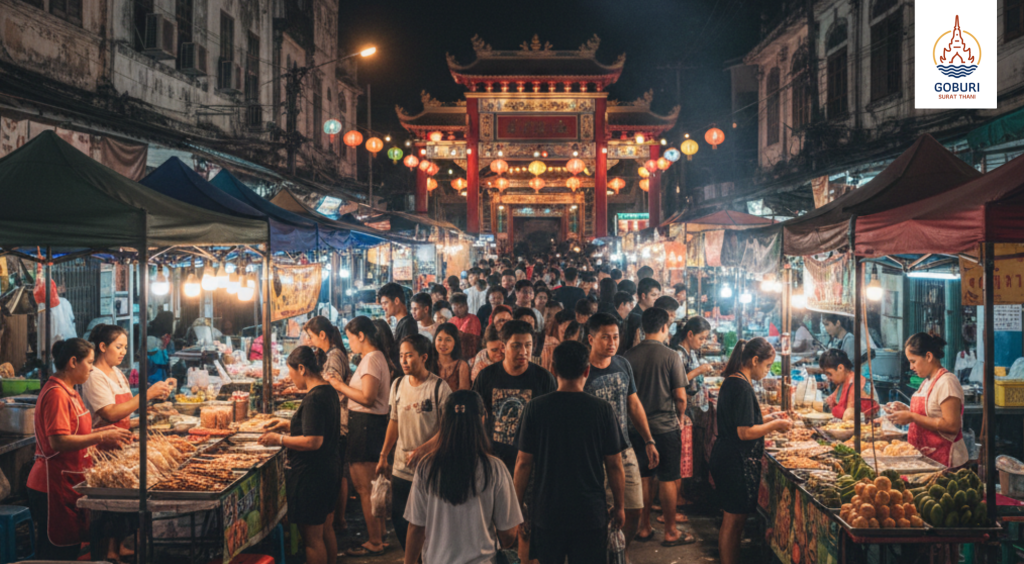
San Chao Night Market: This is the most famous food destination in the city. Located in a narrow alley near the city shrine, it transforms every evening into a culinary paradise. You can find everything from Khao Mok Gai (Thai biryani) to handmade sweets. Expect to pay between ฿40 and ฿70 per dish.
International Dining: For those craving a break from Thai food, the city center now boasts several high-quality international options, including Italian, Japanese (Sushiro), and Western-style bistros like Day & Night. A mid-range international meal typically costs between ฿250 and ฿500 per person.
Michelin Recognition: In 2026, Surat Thani has seen more entries in the Michelin Bib Gourmand selection, highlighting local eateries like Lucky and Nampetch for providing exceptional quality at a “friendly” price.
Education and Family Life
For families considering long-term relocation to Surat Thani, education and access to family-friendly activities are key factors in daily life. Understanding the schooling options, childcare resources, and local recreational opportunities helps parents plan for both academic and social development.
Schools
For families, the choice of school is the most critical long-term decision. In 2026, international education in the province has reached new standards of quality.
International Schools:Daniel International School (DIS) is a top choice for 2026, offering an American curriculum. For the 2025/2026 academic year, yearly tuition fees range from approximately ฿308,000 for Nursery up to ฿460,000 for Grade 9.
Bilingual (EP) Programs: These remain a popular middle-ground for families, offering core subjects in English at a fraction of international school costs.
Childcare and Activities
Childcare options, including private daycares and preschools, are concentrated in the Muang District.
Play and Recreation: In the city, families frequent the Tapi Riverfront for evening walks and Central Plaza for indoor play areas.
Weekend Escapes: For weekend family bonding, residents are just a short ferry ride from the world-class beaches of Koh Samui or a 1.5-hour drive to the jungles and lakes of Khao Sok National Park, which offers the best “outdoor classroom” in the country.
Healthcare and Daily Safety
Healthcare and safety are the pillars of a sustainable long-term life in Surat Thani. As the regional medical hub for Upper Southern Thailand, the province offers facilities that serve both mainland residents and those traveling from the nearby islands for specialized care.
Medical Facilities
In 2026, the gap between public and private healthcare in Surat Thani remains significant in terms of wait times and language accessibility.
Bangkok Hospital Surat: This is the “gold standard” for the expat community. It is a JCI-accredited facility with English-speaking specialists, 24-hour emergency services, and dedicated international patient coordinators. It is the best choice for complex procedures or when clear communication is critical.
Thaksin Hospital: A highly respected private alternative located in the city center. It offers faster service than public options and is popular for routine check-ups and maternity care.
Surat Thani Hospital: As the main regional government hospital, it is excellent for trauma and low-cost care. However, expect long wait times and a heavy reliance on Thai for communication.
Telemedicine: In 2026, many expats now use apps like Doctorsa or the Bangkok Hospital App for minor ailments. These allow you to consult a doctor via video call and have prescriptions delivered to your door, avoiding a trip into the city heat.
Safety Considerations
Daily safety in Surat Thani is manageable, but “road safety” remains the most discussed topic among foreign residents.
Traffic and Road Safety: Thailand has one of the world’s highest road fatality rates, particularly for motorbikes. In 2026, traffic near the Muang District’s school zones is more congested than ever. Always wear a helmet, and if you are a family, a car is a much safer investment for daily school runs.
Health Insurance Trends: For 2026, expats should note that private health insurance premiums in Thailand have seen an annual increase of ~10% due to medical inflation. It is essential to have a policy that covers “cashless” inpatient care at Bangkok Hospital Surat to avoid large upfront payments.
Crime: Surat Thani is generally very safe. Petty crime is rare compared to tourist-heavy Phuket. Standard common sense, such as locking your home and securing your motorbike, is usually all that is required.
Transportation and Mobility
Getting around Surat Thani is an important part of daily life, whether for commuting, running errands, or accessing schools and healthcare. Transportation options vary depending on location and lifestyle, and understanding them helps residents plan their routines efficiently.
Public Transport
Public transportation in Surat Thani remains charmingly traditional but can be a challenge for newcomers.
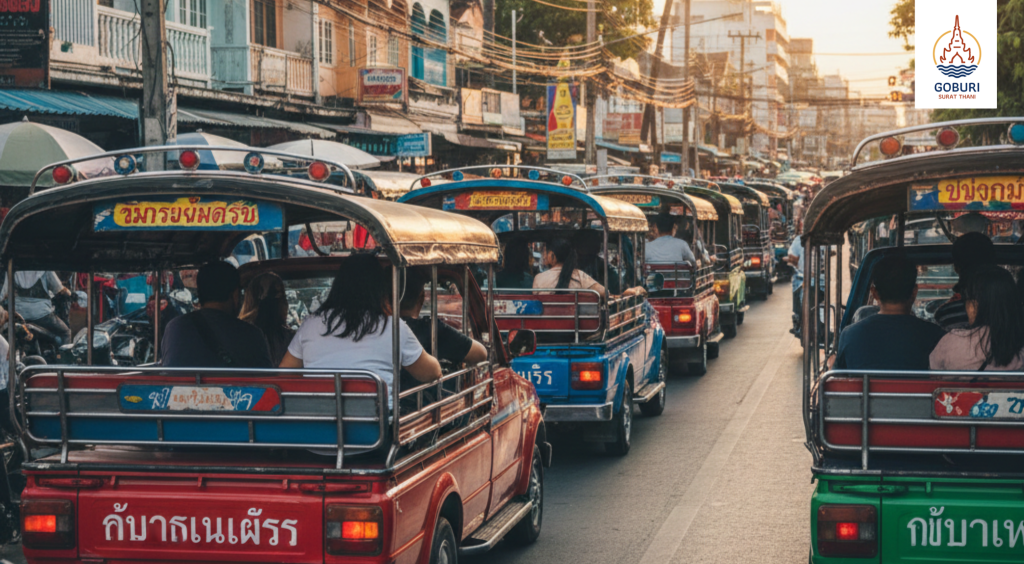
Songthaews: These colorful “two-row” trucks are the backbone of local travel. Routes are color-coded (e.g., the red buses from Kaset Market to the Bus Terminal), but schedules are irregular. Expect to pay around ฿20–฿40 per trip.
Regional Hubs: Daily routines often involve the Surat Thani Bus Terminal for long-distance travel or the Surat Thani Railway Station (located in Phun Phin, about 20 minutes from the city center).
Ride-Hailing Apps (The 2026 Landscape)
While local taxis and tuk-tuks still exist, most expats now rely on three main apps to avoid the “tourist price” and language barriers:
Grab: Still the most comprehensive app in Surat Thani. It is the go-to for airport transfers, car bookings, and food delivery.
Maxim: In 2026, Maxim has become the preferred budget-friendly alternative. It is widely used by residents for its transparent pricing—often lower than Grab—and is excellent for both cars and motorbikes.
Bolt: Now fully active in Surat Thani, Bolt offers a sleek interface and competitive rates, particularly during peak hours when other apps might have high surge pricing.
Personal Transport
For families and long-term expats, having your own wheels is almost essential.
Motorbikes: The most common way to zip through the city’s narrow side streets (Sois). A new scooter costs roughly ฿55,000–฿80,000, or you can rent one monthly for ฿2,500–฿4,000.
Cars: Essential for families. While parking is generally easy in Surat Thani compared to Bangkok, be prepared for narrow roads and the occasional localized flooding during the heavy rains of October and November.
Social Life and Community
Daily life in Surat Thani is deeply influenced by the local community and opportunities for social interaction. While smaller than Thailand’s tourist hubs, it offers authentic ways to build a network.
Socializing Locally
Night Markets: The San Chao Night Market (San Chao Market) is the social heart of the city. Families often gather here around 6:00 PM – 7:00 PM to eat and socialize.
The Tapi Riverfront: A popular spot for evening exercise and casual meetups. You’ll find locals and expats alike jogging or enjoying riverside dining.
Festivals: Participating in local traditions like the Chak Phra Festival (usually in October) is the fastest way to integrate and understand the “City of Good People.”
Expat Community
The foreign resident population is smaller than in Bangkok, making social circles tighter and more personal.
Digital Hubs: Many digital nomads connect through local Facebook groups or by frequenting riverside cafes with strong Wi-Fi.
Activity Groups: Language schools and sports clubs (like Muay Thai gyms) are the primary “third spaces” where expats and locals mingle.
Challenges and Trade-offs
Living in Surat Thani offers a quieter pace of life and a lower cost of living compared to Thailand’s larger cities, but there are limitations that residents should consider before relocating.
If you require high-end luxury malls, a vibrant nightlife, or an English-speaking environment, you may find that you are not suitable for living in Surat Thani. This province is designed for those seeking an authentic Thai rhythm over a tourist-centric lifestyle.
Key challenges of living in Surat Thani include:
Limited Amenities: There are fewer international shopping and entertainment options compared to Bangkok or Phuket. Most specialized services require a trip to the city center.
Language Barrier: Daily life is conducted almost entirely in Thai. Learning the local language is essential for navigating markets, offices, and community social life. This is one of the primary Surat Thani drawbacks for expats.
Transport Needs: Public transportation is sparse. Relying on personal vehicles is a necessity for commuting and accessing essential services.
Weather Disruptions: Heavy rains during the monsoon season (October and November) can impact travel, outdoor activities, and daily chores.
While these challenges of living in Surat Thani are manageable, they require adaptability and realistic expectations regarding local convenience.
Long-Term Considerations
Daily life in Surat Thani is defined by a balance between convenience, community, and a slower pace compared to Thailand’s larger cities. Housing, work routines, food, schooling, healthcare, and social life all vary depending on location and personal priorities. Residents benefit from lower living costs, local markets, and close-knit communities, but they must also plan around limited services, transportation constraints, and seasonal weather.
For families and long-term expats, understanding these practical realities is essential for making informed decisions. Choosing where to live, how to commute, and which schools or services to access shapes daily routines and overall quality of life. Planning ahead, learning the local language, and engaging with the community help newcomers integrate successfully and create a stable, manageable lifestyle in Surat Thani.
By considering both advantages and limitations, prospective residents can develop a realistic view of life in the region and determine whether Surat Thani aligns with their long-term living goals.
FAQ
What is the average cost of living for a family in Surat Thani?
In 2026, a family of four can live comfortably on a budget of ฿65,000 to ฿95,000 per month. This typically covers a three-bedroom house in a gated community (Muban) for ฿15,000–฿28,000, local groceries, and dining out. However, families should budget extra for international school tuition, which can range from ฿300,000 to ฿460,000 per year, and private health insurance, which has seen moderate increases due to medical inflation.
Do I need a car to live in Surat Thani, or is public transport sufficient?
While solo expats often use motorbikes or ride-hailing apps like Grab, Maxim, and Bolt, a car is highly recommended for families. Public transport (Songthaews) is available but lacks fixed schedules and can be difficult to navigate with children. Furthermore, a car provides essential safety during the heavy monsoon rains in October and November and is necessary for accessing rural districts or making the 20-minute commute to the Phun Phin railway station.