We occasionally share updates when important information changes or new long-form guides are published. Just practical updates related to long-term living in Surat Thani and Southern Thailand.
The landscape of international mobility has undergone a radical transformation, largely driven by the decoupling of professional activity from specific geographical points. This shift has created a modern paradox where the ease of obtaining a residency permit often overshadows the fundamental human requirements for a flourishing life.
In the context of the Kingdom of Thailand, this manifests as a rush toward premium residency programs without a concomitant analysis of environmental and cultural suitability. This article argues why visas should not drive location choice, positing that the administrative mechanism of stay is a facilitator rather than a foundation for a successful expat relocation.
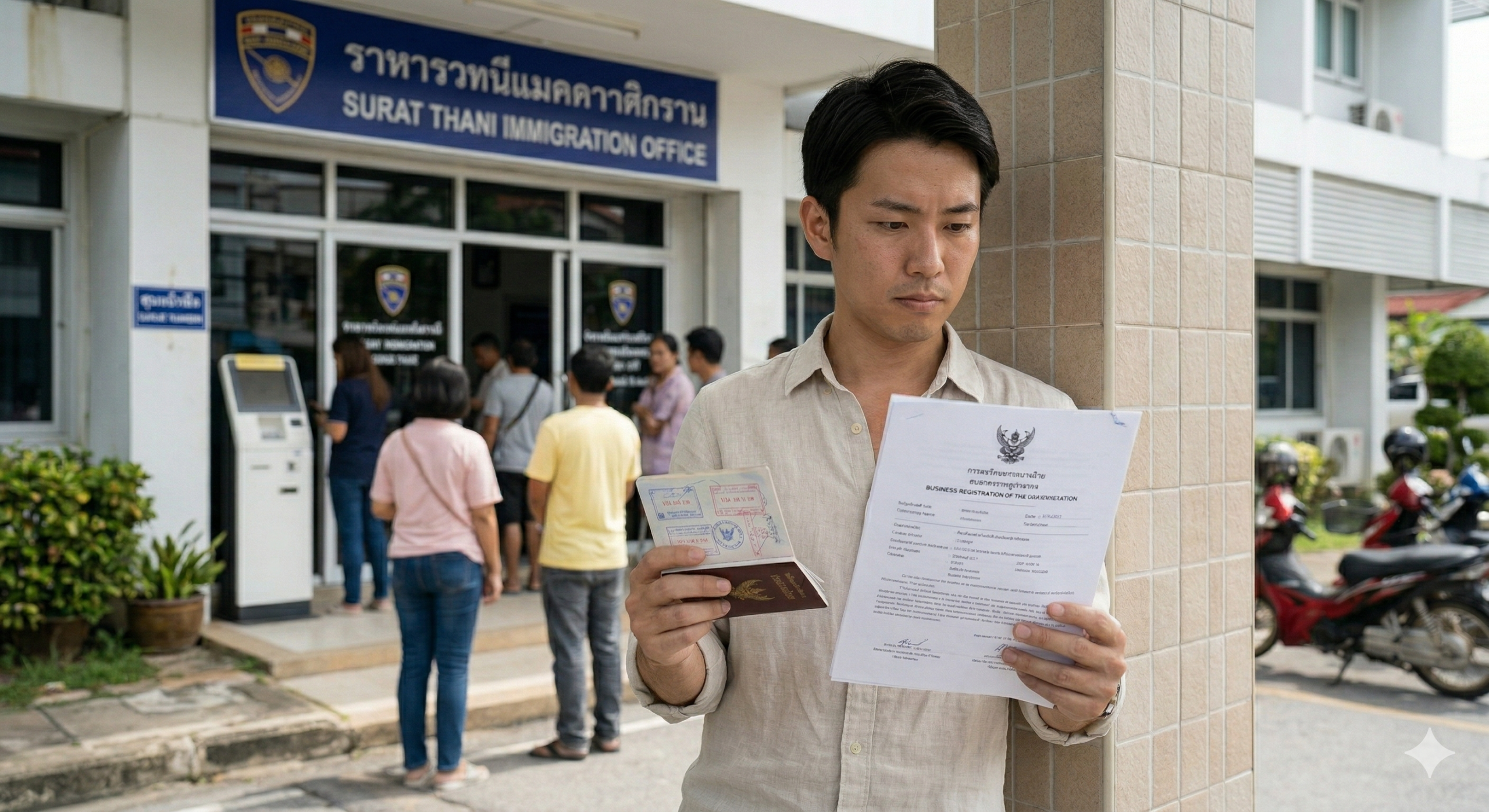
The core of the issue lies in the psychological weight of the visa process. For many individuals, the complexity of immigration law creates a narrow focus on eligibility as the sole metric of success.
However, once the passport is stamped and the initial relief fades, the resident is left with the daily reality of their environment. If that environment does not align with their lifestyle design goals, the legal right to remain becomes a burden rather than a privilege.
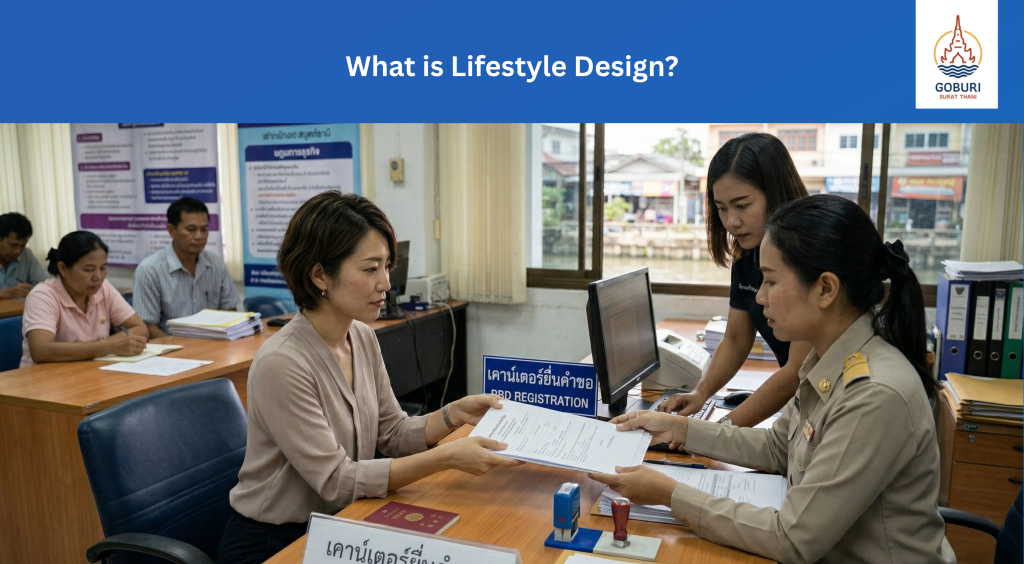
What is Lifestyle Design?
To understand why visas should not drive location choice, one must first define the philosophy of lifestyle design. It is the deliberate act of shaping your life to match your vision of success, based on your passions and values. It is about living with intention and working in harmony with your purpose rather than living by default.
The Origins of Living by Design
The term gained significant prominence in the late 20th and early 21st centuries, reflecting a growing societal emphasis on personal agency and self-determination. It was popularized by Tim Ferriss in his book The 4-Hour Workweek, where he contrasted it with the traditional slave, save, retire model. In this framework, you do not defer your life until retirement. Instead, you figure out the life you want and live it in the present.
For many in the digital nomad community, this involves geographic arbitrage. This is the practice of earning in a high-value currency while living in a region with a significantly lower cost of living to maximize purchasing power.
However, effective lifestyle design is more than just a financial hack. It is a contrasting philosophical lens that focuses on space, surroundings, and daily comfort. If you choose a location solely because the visa is easy, you may find that the external conditions of your life are incapable of generating meaning on their own.
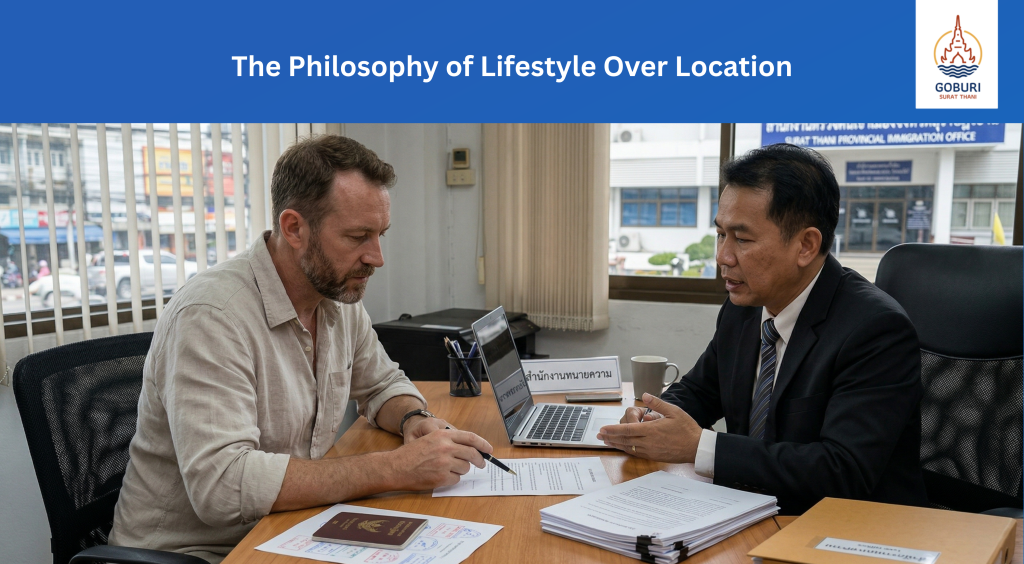
The Philosophy of Lifestyle Over Location
The concept of lifestyle over location refers to a fundamental prioritization of daily well-being, space, and surroundings over external pressures such as corporate office proximity or the convenience of a specific visa category.
With the rise of the digital nomad and the normalization of the remote work model, the necessity of living in a specific city center has diminished for many high-potential individuals.
The Evolution of Modern Movement
Contemporary relocation is increasingly characterized by intentionality. Rather than moving for a specific job offer, individuals are choosing locations that support their mental health, family routines, and personal values.
This shift is reflected in the growing demand for regional hubs and coastal towns that offer a slower pace of life without severing connections to the global economy. When a move is led by lifestyle factors, it tends to be more resilient across different life stages, from the career-focused years of a digital nomad to the golden years of a retiree.
Lifestyle Factor
Description
Impact on Resident Longevity
Environmental Quality
Access to green spaces, air quality, and climate stability.
High: Prevents physical and mental health deterioration.
Social Infrastructure
Ease of building a community, language accessibility, and cultural openness.
Critical: Combats isolation and expat burnout.
Daily Routine Support
Proximity to essential services like healthcare, gyms, and specialty markets.
Moderate: Enhances the frictionless nature of daily life.
Financial Predictability
Stability of the cost of living beyond just the initial rent and food prices.
High: Ensures long-term sustainability of the move.
The decision to relocate is a complex weighing of personal aspirations and legal realities. A successful move requires a structured approach that moves from emotional desire to actionable data, ensuring that the chosen destination can support a natural lifestyle rather than a temporary holiday experience. This is the essence of lifestyle design.
High-Level Realities of Long-Term Visas Thailand
While the focus should remain on lifestyle, the legal frameworks of long-term visas Thailand act as the gatekeepers of residency.
Programs like the Long-Term Resident (LTR) visa and the Thailand Privilege program are designed to attract high-potential individuals through a combination of tax incentives and administrative ease.
The LTR Visa Landscape
The LTR program is a prime example of a visa that can easily drive a location choice due to its attractive premium benefits.
Offering a 10-year renewable residency, the LTR targets four main categories: Wealthy Global Citizens, Wealthy Pensioners, Work-from-Thailand Professionals, and Highly Skilled Professionals.
The benefits of the LTR visa are significant, including a digital work permit, a flat 17 percent personal income tax rate for certain professionals, and an exemption from the standard 4 to 1 Thai-to-foreigner employment ratio.
Furthermore, it reduces the administrative burden of the traditional 90-day reporting to an annual requirement. However, these benefits are only relevant if the resident’s professional and personal goals can be met within the Thai ecosystem. A 10-year visa in a location where one feels culturally isolated is a suboptimal outcome.
Thailand Privilege and Standard Routes
For those who do not meet the stringent asset or income requirements of the LTR, the Thailand Privilege program offers a membership-based alternative. This program prioritizes a frictionless entry and stay experience, offering concierge services and airport fast-tracking.
It is particularly popular with lifestyle buyers and part-time residents who value convenience over the right to local employment.
Other standard routes include the Retirement Visa (Non-Immigrant O-A or O-X) for those over 50 and the Marriage or Family Visa for those with Thai relatives. Each of these paths has distinct financial and renewal requirements that must be factored into the long-term cost of living and administrative workload.
The Psychological Burden of the Visa-First Approach
When the visa becomes the primary driver of relocation, individuals often overlook the psychological challenges inherent in moving to a culturally distinct nation. This can lead to what is known as expatriate failure, where the resident returns home prematurely due to an inability to adjust.
The U-Curve of Culture Shock and Floating Identity
Psychological studies indicate that culture shock typically follows a U-curve pattern. Upon arrival, there is a honeymoon period where the new environment feels exciting.
However, as the logistical challenges of daily life mount and cultural differences become more apparent, residents often fall into a pit of culture shock. Those who chose their location primarily for visa ease are particularly vulnerable here, as they may lack the internal motivation or cultural affinity needed to climb back up the curve toward adjustment.
Furthermore, many expats experience a floating identity or relocation stress syndrome. This is the feeling of being untethered from one’s home culture while not yet belonging to the host culture. This emotional disruption is often exacerbated by the Ulysses Syndrome, a condition characterized by insomnia and physical exhaustion caused by multiple chronic stressors during migration.
Decision Fatigue and the Burden of Choice
Relocating to a new country involves an overwhelming number of decisions, from healthcare providers to tax advisors and school systems. This cumulative stress can result in decision fatigue. When a resident is already struggling with a lack of cultural integration, this fatigue can become paralyzing.
Stage of Transition
Psychological State
Common Symptoms
Honeymoon
High elation, excitement, focus on novelty.
Excessive optimism, ignoring red flags.
Frustration
Confusion, resentment toward local systems.
Irritability, between worlds feeling.
Depression
Sense of displacement, loneliness.
Social withdrawal, physical exhaustion.
Adjustment
Learning the systems, building a routine.
Re-establishment of emotional anchors.
To understand more about the common pitfalls of this transition, it is helpful to explore what most foreigners misunderstand when planning their initial move.
Financial Realities and the Affordable Luxury Myth
One of the most powerful keywords in the Thai relocation narrative is the cost of living. Thailand is frequently marketed as a destination where one can live like a king on a modest budget. While it is true that many local services are affordable, the financial reality for an expat is often more complex.
Detailed Cost Comparisons
The cost of living varies significantly between major cities like Bangkok and regional hubs like Chiang Mai. A realistic budget for a high-quality lifestyle must account for housing, utilities, private healthcare, and international school fees.
The affordable luxury model is sustainable only if the resident’s income is decoupled from the local economy. Relying on a local salary in a sector like teaching may offer a high quality of life compared to the home country, but it often lacks the surplus needed for emergency medical care or international travel.
Furthermore, retirees should review the analysis to understand the financial requirements that must be met to maintain residency long-term.
Healthcare Quality and the Long-Term Resident
For many expats, healthcare quality is a non-negotiable must-have. Thailand is renowned for its private medical sector, with facilities like Bumrungrad International and Bangkok Hospital offering services that are internationally accredited and often more efficient than those in the West.
Global Healthcare Rankings and Options
In 2026, Thailand continues to be a top destination for medical tourism due to its high standard of care and relatively low costs. However, when compared to global leaders in universal healthcare, the distinction between private and public systems in Thailand becomes critical for the long-term resident.
For expats, the most important consideration is ensuring that their health insurance plan meets the requirements of their visa while providing comprehensive coverage for hospital stays, outpatient care, and prescriptions.
This is particularly vital as many Western government-funded health systems, such as Medicare in the USA, do not provide coverage for their citizens living abroad. This focus on healthcare quality ensures a safe and secure stay.
Cultural Integration: The Invisible Barrier
The most common reason people regret moving to Thailand is not a visa denial, but a failure of cultural integration. The honeymoon phase often masks the deep cultural friction that occurs when Western expectations of directness and urgency meet the Thai concepts of Saving Face and Sabai Sabai.
The Philosophy of Sabai Sabai and Hierarchy
The Thai phrase Sabai Sabai roughly translates to being relaxed, easygoing, and stress-free. While this is often what attracts people to Thailand, it can become a source of profound frustration when applied to bureaucracy, construction, or business deadlines.
Expats who struggle with late trains or slow paperwork often find themselves in a state of perpetual discontent.
Thai society is also deeply rooted in hierarchy and respect for elders. This influences everything from the Wai gesture to the way people interact in a professional setting. Furthermore, Thais are generally non-confrontational and may be indirect in their communication to avoid causing public embarrassment or loss of face.
An expat who prioritizes being right over harmony will likely find it difficult to build meaningful local connections or even manage simple household repairs.
Successful integration requires more than just learning the language. It requires a willingness to let go of the idea that the host country should change for the resident.
For families, this is even more critical, and a thorough review is recommended to see how these cultural factors impact children and non-working spouses.
Sustainable Living and the Future of Urban Thailand
The criteria for choosing a location are shifting toward sustainable living and urban resilience. Thailand has seen a massive surge in blue-green infrastructure projects that prioritize pedestrian life over car dominance.
Creative Survival and Urban Resilience
The city of Bangkok is transforming into a hub of Creative Survival, a theme highlighted during Bangkok Design Week 2026 (BKKDW2026) under the banner DESIGN S/O/S. This initiative positions design as a practical tool for urban survival, business growth, and cultural resilience.
Project or Initiative
Concept
Impact on Lifestyle
Green Bangkok 2030
Aiming for 10 square metres of green space per resident.
Enhanced air quality and public health.
The Forestias
A 398-rai development with 56 percent forest area.
Nature-centric living for families.
People’s Oasis
Retrofitting government complexes into public plazas.
These trends suggest that in 2026 and beyond, the most desirable locations for expat relocation will be those that prioritize environmental quality and walkability over mere central proximity. This is a key component of future-proofing one’s lifestyle design.
Information on how this affects specific demographics can be found through platforms like the World Bank or UNESCO. This focus on sustainable living creates a resilient environment for all.
The Methodology of the Trial Run
The most effective way to ensure that a location matches your lifestyle goals is to try before you commit. This involves spending 1 to 6 months in a potential destination as a resident rather than a tourist.
Strategic Steps for an Exploratory Trip
Rent Short-Term: Stay in different neighborhoods to test commute times and local noise levels.
Avoid the Holiday Routine: Cook at home, visit local clinics, and use public transport.
Visit During Worst-Case Seasons: For example, visit Chiang Mai during the burning season or Bangkok during the peak of the monsoon to see if you can handle the environmental challenges.
Test Social Integration: Join local clubs or interest groups to see how easy it is to build a network beyond the expat bubble.
By treating the first few months as a trial period, you can avoid the decision paralysis that comes from trying to make a perfect choice based solely on online research. This approach ensures that your final decision is based on lived experience rather than a visa application deadline.
Why Visas Should Not Drive Location Choice: A Synthesis
The decision to relocate is fundamentally a question of identity and belonging. When you move for a visa, you are moving for a document.
When you move for a lifestyle, you are moving for a life. The Ulysses Syndrome and the burnout experienced by many expats are often the result of an environment that grates on the individual’s nerves every single day.
The Danger of the Easy Path
Locations that offer the easiest visas are often those that are most in need of foreign investment or specialized labor. While this can provide a premium experience initially, it may also mean dealing with underdeveloped infrastructure or a lack of the specific amenities you require for your well-being.
Conversely, countries with the highest quality of life rankings, such as Luxembourg, the Netherlands, and Denmark, often have the most difficult residency requirements.
In the context of Thailand, the allure of the LTR or the Thailand Privilege visa should be seen as a tool to facilitate a life that you have already determined is worth living there. The visa facilitates the lifestyle, but it cannot create it.
For more specialized tools to help match your profile to a location, organizations like the OECD provide deep data on well-being and life satisfaction that go beyond simple currency conversions.
Conclusions and Actionable Strategies
To ensure long-term success in an international move, the following strategic framework is recommended for all prospective expats.
Define Your Lifestyle Scorecard: Identify your non-negotiables regarding climate, healthcare, education, and social culture.
Shortlist by Lifestyle, Not Eligibility: Create a list of 3 to 5 countries that meet your scorecard needs. Only then should you look at the visa requirements to see if any are deal-breakers.
Conduct a Multi-Season Trial Run: Spend time in your top choice during its least attractive season to stress-test your commitment.
Budget for the Expat Premium: Ensure your financial plan accounts for private healthcare, international schooling, and currency volatility.
Commit to Cultural Humility: Enter your new country with the understanding that you must adapt to them, not the other way around.
By following this approach, you transform the act of moving from a bureaucratic hurdle into an intentional act of lifestyle design. The goal is not just to have a visa that allows you to stay, but to have a life that makes you want to stay.
This article provides a high-level overview of lifestyle and residency factors in Thailand. It is not a substitute for professional legal or financial advice. Immigration policies are subject to rapid change, and individual eligibility varies based on numerous factors not covered in this narrative.
No promises are made regarding the success of any visa application or the long-term satisfaction of relocating to any specific location. All internal and external links are provided for further research and do not constitute an endorsement of specific agents or services.