Updates from
Goburi Surat Thani

24K subscribers
We occasionally share updates when important information changes or new long-form guides are published. Just practical updates related to long-term living in Surat Thani and Southern Thailand.
You can unsubscribe at any time.

Living in Thailand: The Long-Term Reality Check for Families and Expats

Moving to Thailand is frequently marketed as a permanent escape to an effortless paradise. For those scrolling through social media or browsing travel blogs, the imagery is consistent. You see pristine beaches, ultra low cost luxury, and a lifestyle defined by leisure.
However, there is a profound structural difference between visiting Thailand and establishing a life here. At Goburi Surat Thani, we believe that the most valuable information we can provide is not a list of attractions but a clear eyed assessment of the challenges of living in Thailand for foreigners.
This article is for those who are looking past the Thailand honeymoon phase burnout to understand what life looks like after 24 months. If you are making decisions regarding your children’s education, your financial security, and your long-term mental health, you need more than a vacation narrative. You need a living in Thailand reality check.

The Honeymoon Phase

The honeymoon phase in Thailand typically lasts between six and eighteen months. During this period, the novelty of the environment acts as a psychological buffer against the underlying frictions of the culture. The heat, the street food, and the low cost of basic goods are perceived through a lens of excitement rather than utility.

The Sensory Overload Trap

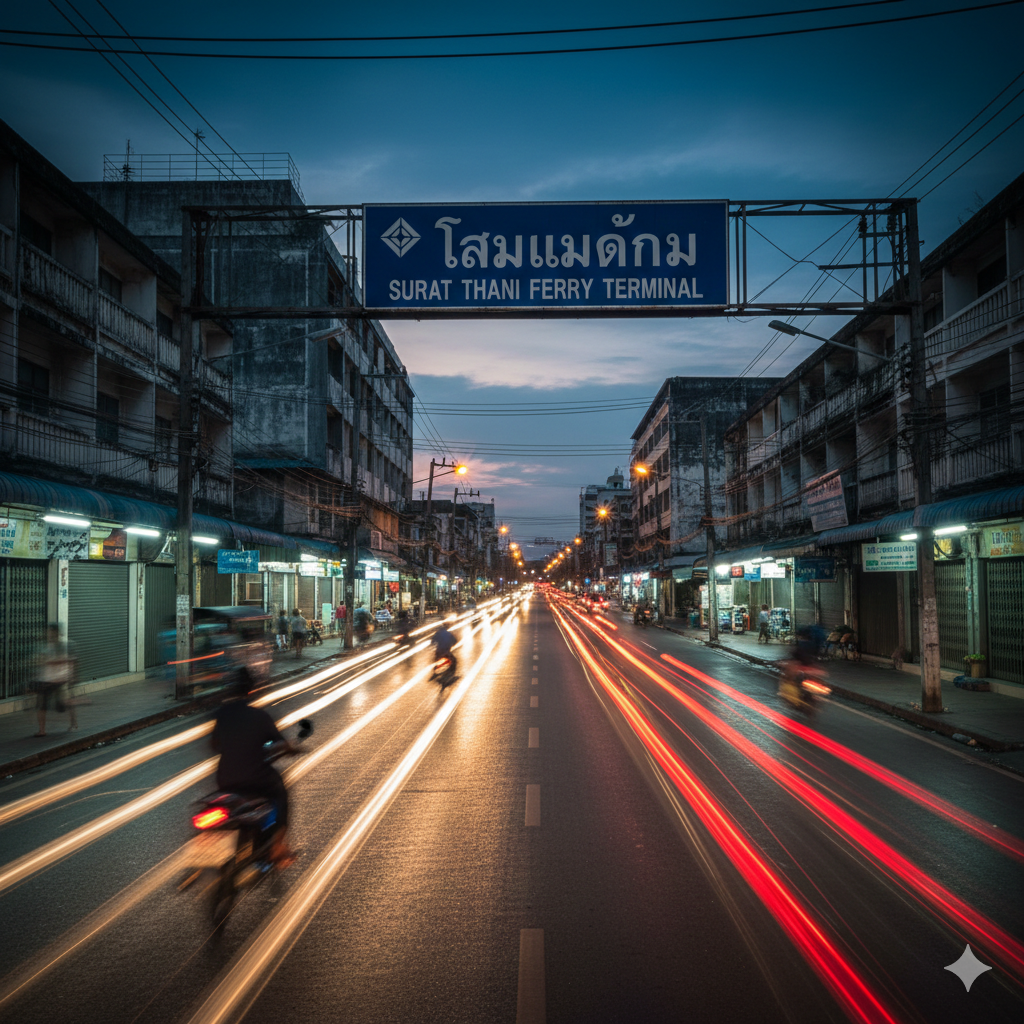
When you first arrive, the chaos is often perceived as charming. The tangled power lines, the irregular sidewalks, and the flexible approach to traffic laws feel like a liberating break from the rigid structures of the West.
However, for a long term resident, these elements eventually shift from novelties to micro stressors. An unpaved road isn’t a rustic adventure when it is the only path to your child’s school and it floods every monsoon. The language barrier isn’t a fun challenge when you are trying to explain a specific plumbing issue or navigating a legal document at the Land Department. This is one of the primary challenges of living in Thailand for foreigners.
who should not move to Surat Thani

The Transition from Consumer to Resident

The most common point of failure for prospective expats is maintaining a vacationer’s consumption pattern while expecting a resident’s stability. If you treat daily life in Surat Thani or Phuket as a perpetual holiday, you will experience Thailand honeymoon phase burnout. Sustainable living in Southern Thailand requires a fundamental shift. You must move from consuming the culture as a product to navigating it as a participant.

Financial Realities:
Debunking the Low Cost Myth

You will inevitably encounter claims that you can live like a king in Thailand for 500 to 1,000 dollars per month. While this might be technically possible for a single person living in a rural village with no insurance and a purely local diet, it is a dangerous fallacy for families or professionals. The cost of living Southern Thailand reality is far more complex.

The True Cost of a Western Standard

Maintaining a standard of living comparable to your home country carries a premium. This includes high speed internet, consistent air conditioning, international grade healthcare, and familiar food.
Electricity and Climate Control
 In Southern Thailand, the heat is relentless. To keep a three bedroom family home at a comfortable temperature, electricity bills can range from 4,000 to 9,000 THB per month.
Imported Goods
Thailand imposes high duties on imported luxury and food items. A block of quality cheese or a bottle of wine in a Surat Thani supermarket often costs double its price in Europe or North America.
Vehicle Ownership
While scooters are cheap, they are statistically dangerous. A safe, modern SUV for a family represents a significant capital investment. These vehicles often cost more than they would in the West due to domestic taxes.

The Education Cliff for Families

For families, schooling is the single largest financial variable. In hub areas like Phuket, tuition for top tier international schools can exceed 20,000 dollars per child per year. In Surat Thani, while English Programs are significantly more affordable, they follow a Thai centric curriculum. This may not align with Western university tracks without supplementary tutoring. This is a core part of the moving to Surat Thani with family decision process.

Social Friction: The Face Economy and Indirect Communication

Thai society is built on a sophisticated hierarchy and the critical concept of saving face. This is often the most significant source of frustration for Westerners raised on direct communication and problem solving efficiency.

The Cool Heart vs Direct Criticism

In a Western professional setting, if something is malfunctioning, you identify the error and the responsible party to fix it. In Thailand, this directness is frequently interpreted as a personal attack.
If you lose your temper with a landlord in Surat Thani over a broken appliance, you have lost face. Once face is lost, the professional relationship is often irreparably damaged. Learning to navigate problems with Jai Yen (a cool heart) is not an optional social grace. It is a mandatory skill for functional living. This represents the hidden side of expat life Thailand pros and cons.

The Permanent Guest Status

Regardless of your Thai fluency or the length of your residency, you will always be a foreigner. You are a guest in the kingdom. This manifests in structural ways such as land ownership restrictions and immigration oversight. Foreigners generally cannot own land in their own name. You are also subject to 90 day reporting and annual visa extensions that require meticulous documentation.
For individuals who require a deep sense of ownership and equal rights in their place of residence, the reality of being a perpetual guest can eventually lead to a sense of alienation. This is a common theme when discussing why expats leave Thailand.

Infrastructure and Safety: The Practical Hurdles

Thailand’s private healthcare is exceptional. In Surat Thani, hospitals like Thaksin Hospital or Bangkok Hospital Surat offer world class diagnostics. However, the public system is a different reality altogether. It is characterized by long wait times, crowded facilities, and a significant language gap.
A comprehensive health insurance plan is non negotiable. A serious accident or a tropical illness like Dengue Fever can deplete a budget expat’s savings in a week. When assessing the expat life Thailand pros and cons, the quality of private care is a major pro, but the cost of insurance is a necessary con.

Road Safety Realities

Southern Thailand has some of the highest road fatality rates globally. Daily driving involves navigating a landscape of unpredictable lane changes and scooters driving against traffic. For families, this usually means a necessary transition from freedom focused scooter travel to safety focused car ownership. This adds significantly to the cost of living Southern Thailand reality.

Environmental Factors

While the South avoids the extreme burning season of Northern Thailand, it is not immune to environmental challenges. Waste management infrastructure is still maturing in many areas. Tap water is generally not potable. This requires a constant reliance on bottled or filtered water delivery. Surat Thani also faces periodic flooding during the heavy monsoon season from October to December.

Psychological Burnout: Why People Actually Leave

Most expats do not leave Thailand because they ran out of money. They leave because of a slow accumulation of micro frictions that eventually outweigh the benefits. Understanding why expats leave Thailand is essential for anyone planning a move in 2026.

Social Isolation and the Expat Bubble

In tourist hubs like Phuket, the expat community is often transient. People arrive with high energy and leave after six months. This makes building a deep, stable social circle difficult.
In a mainland city like Surat Thani, the community is more stable but more dispersed. To have a meaningful social life outside of a tiny foreigner circle, you must learn the Thai language. Without this, many residents eventually feel like they are living in a golden cage. They are physically comfortable but socially disconnected.

Bureaucratic Exhaustion

The visa run or the annual extension process is a recurring reminder of your status. Even with high level visas, the shifting requirements of Thai Immigration can create a low level, persistent anxiety. The feeling that your right to stay could be altered by a change in policy is a reality that many struggle to live with long term.

Surat Thani vs Phuket:
The Reality First Comparison

For many of our readers, the choice is between the high octane expat infrastructure of Phuket and the grounded,
Thai centric environment of Surat Thani.
Why Surat Thani Filters Out the Unserious

Phuket is designed to keep you comfortable in your Western world. You can spend a decade there without speaking a word of Thai or eating a local meal.

Surat Thani is not built this way. Here, you shop at the same morning markets as the locals. You navigate the same government offices. You send your children to schools where they may be the only foreigners. This lack of an expat bubble is exactly why people who move to Surat Thani often stay longer than those who move to the islands. Because the city does not pretend to be a paradise, there is no magic to lose. You are moving into a functioning regional capital, not a curated resort. This is a critical factor in a living in Thailand reality check.

The Convenience Trade Off

In Phuket, you can find an Italian deli, a high end yoga studio, and an English speaking lawyer within 15 minutes of your villa. In Surat Thani, you may have to drive across town for specific Western ingredients. Your legal or administrative tasks will almost certainly require a Thai translator or a high level of patience.

If you view these as deal breakers, you are likely looking for a vacation. If you view these as the price of authenticity, you are a candidate for long term success when moving to Surat Thani with family.


The Impact of Long Term Residency on Mental Health

Living as a minority in a foreign culture for years has a cumulative effect on your psychology. Many expats experience a sense of cognitive dissonance. They love the lifestyle but feel an increasing distance from their home culture and their host culture alike.
The Identity Gap

In the West, your identity is often tied to your profession or your social standing. In Thailand, your identity is primarily defined by your status as a foreigner. For some, this lack of professional or social depth leads to a mid life crisis or a sense of aimlessness. This is a subtle but powerful driver in why expats leave Thailand.

Cultural Fatigue

The constant need to navigate indirect communication can be exhausting. After several years, some expats find that they crave the directness of their home country. They miss the ability to have a debate without it being seen as an attack on someone’s face. Recognizing this fatigue is a key part of surviving the Thailand honeymoon phase burnout.

Raising a Family: The Unfiltered Reality

Raising children in Southern Thailand offers an incredible opportunity for cultural immersion. However, it comes with structural considerations that are often glossed over in moving to Surat Thani with family guides.
Integration vs Education
If you place your children in a local or bilingual school in Surat Thani, they will become culturally fluent. They will likely speak Thai with native level proficiency. However, they will also be exposed to a schooling system that values discipline and collective harmony over the Western emphasis on individual expression. Parents must be prepared to bridge the gap between their own educational values and the local reality.
Safety and the Outdoor Environment
Thailand is generally a very safe country regarding violent crime. However, the physical environment means that the free range childhood many parents imagine is often limited. Heat, stray dogs, and traffic mean that children often spend more time in gated communities or indoor play centers than parents initially expected.

Work and Digital Labor in the South

The dream of the digital nomad often meets the reality of provincial infrastructure. While Thailand has some of the best internet in the world, the environment itself presents challenges.
The Workspace Challenge

In Surat Thani, the concept of a coworking space is still developing compared to Bangkok or Chiang Mai. You will likely be working from home. This requires a dedicated investment in high quality office furniture and a reliable backup power supply for tropical storms.

Isolation for Professionals

If you are used to a high pressure corporate environment, the slow pace of life in Surat Thani can be jarring. There are few local networking events for international professionals. Your professional growth will depend entirely on your ability to maintain global connections online while living in a local Thai ecosystem. This is one of the distinct challenges of living in Thailand for foreigners.

Is Southern Thailand Truly for You?

The purpose of a reality check isn’t to discourage you. It is to ensure that your decision is built on a foundation of truth rather than a marketing brochure. The living in Thailand reality check requires looking at the numbers and the cultural nuances simultaneously.
You Will Likely Thrive If:
You have a stable, independent income such as remote work or a pension.
You possess high emotional intelligence and cool hearted patience.
You are committed to learning the Thai language.
You prioritize long term financial sustainability over short term luxury.
You accept the status of a permanent guest with grace.
You Will Likely Struggle If:
You are fleeing problems in your home country.
You expect Thai systems to function according to Western logic.
You are on a razor thin budget with no emergency fund.
You cannot tolerate heat, humidity, or a slower pace of administrative life.
Living in Surat Thani or the surrounding Southern provinces is a profound exercise in adaptation. It is a rewarding, challenging, and deeply human experience. The key to making it past the honeymoon phase is simple. Expect the friction, embrace the reality, and stop looking for paradise. This is the cost of living Southern Thailand reality that leads to true contentment.
Before you commit to a long term lease or a school deposit, we recommend a reality month. This is not a holiday. Rent a standard house in a local neighborhood, shop at the fresh markets, navigate the local hospitals, and attempt to live as a resident would.